

Lymphatic Drainage Massage - 90-minute Gallery
$$MultiPurposeText$$
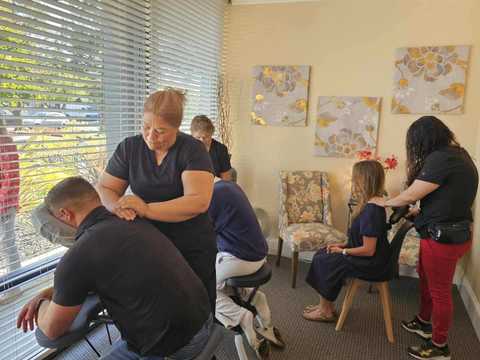
See examples of our Lymphatic Drainage Massage - 90-minute work and results.










What Our Clients Say
$$MultiPurposeText$$
Read testimonials from our satisfied customers

Zen atmosphere, perfect decor for a spa, clean environment and friendly staff
They took th...more

My husband and I have been to many spas and this cozy spot far exceeded our expectations! ...more

Lupe and the entire team are truly spectacular! The level of care and attention to detail ...more

Great first experience! I was truly impressed by how immaculate the treatment rooms were. ...more

The massage is something I look forward to. It’s relaxing and staff is friendly and knowle...more

Best massage in Napa
Highly recommend them

Frequently Asked Questions
Get answers to common questions about Lymphatic Drainage Massage - 90-minute.
You’ll experience gentle, rhythmic strokes focused on lymph pathways. Therapists use light pressure across neck, torso, and limbs to encourage drainage. Sessions are relaxing and may include brief repositioning; wear comfortable clothing or use provided draping for modesty.
Many clients feel immediate lightness and reduced bloating after one session, but optimal benefits often appear after a series. Results depend on hydration, lifestyle, and condition severity; therapists recommend a tailored plan for lasting improvement.
It can be safe and beneficial during postpartum and some pregnancy stages, but always consult your healthcare provider first. We adapt techniques for pregnancy; avoid treatment if you have high-risk pregnancy, active infection, or unresolved medical concerns.
Mild, temporary effects include increased urination, light fatigue, or slight soreness as the body clears fluids. These typically resolve within 24–48 hours. Stay hydrated and rest; contact us if you experience severe or persistent symptoms.
Arrive well hydrated and avoid heavy meals or alcohol beforehand. Wear loose clothing and inform us of medications or medical history. Skip treatment if you have fever, active infection, or blood clot concerns until cleared by a doctor.
Frequency varies by goal: weekly or biweekly sessions are common initially, then monthly for maintenance. For chronic swelling or post-surgical care, your therapist will recommend a personalized schedule based on assessment and progress.